HISTORY
THE ORIGIN OF MSU ROWING
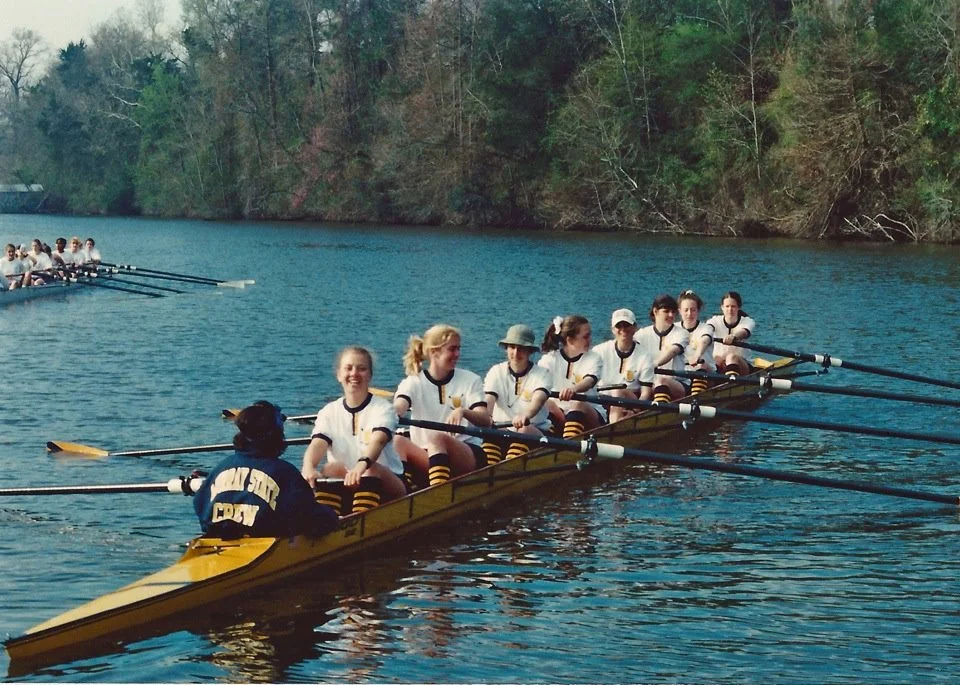
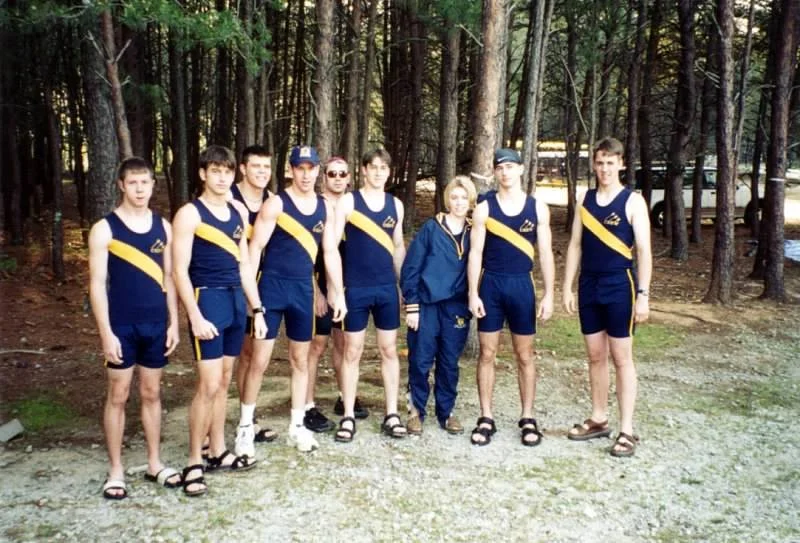
Many had doubts when MSU President Kern Alexander announced his plans to launch a rowing program in the fall of 1996. Locals wondered about the ivy-league sport’s place on a lake crowded with bass fishermen. The student newspaper mocked “Alexander’s Navy”. But students were interested because it provided a unique opportunity to be involved in something that couldn’t be found just anywhere. In fact, Murray State had the first collegiate rowing program in the state, two years before the University of Louisville.
THE INAUGURAL YEAR
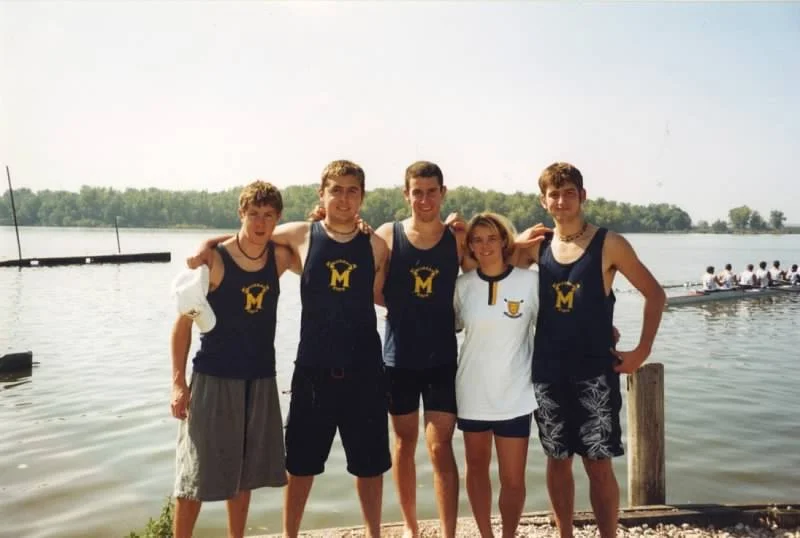
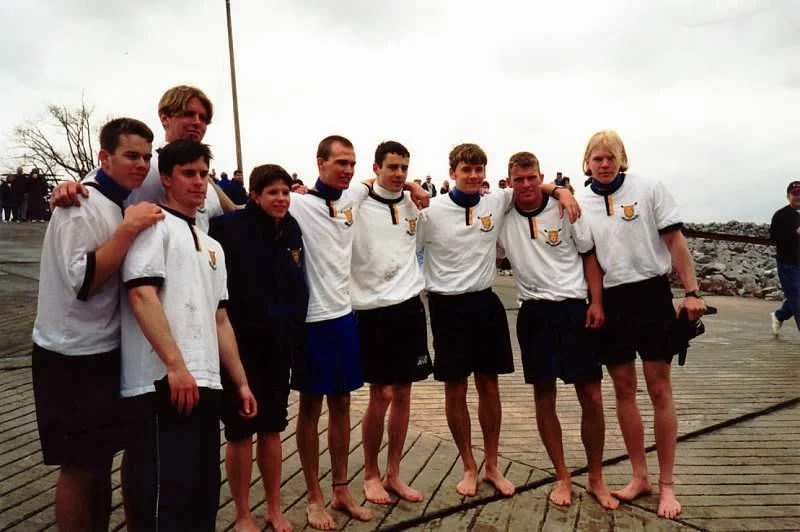
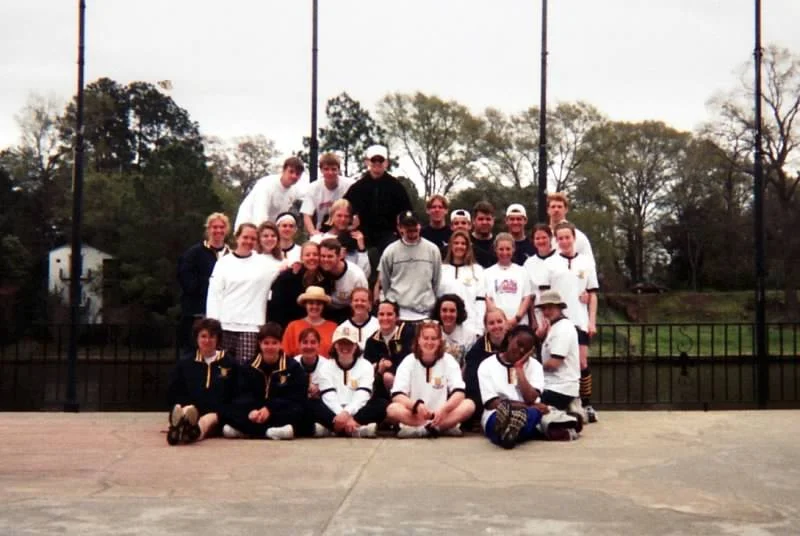
The first practice saw 172 students attend “tryouts” at Stewart Stadium. Coaches Steve Marchino and Dan Lavit spent the first semester gathering equipment, searching for suitable water to row on, teaching the basics of the sport, and shrinking the size of the team through excessive running, erging, and 5:00 a.m. practices. By the spring racing season, the inaugural team of 31 student-athletes worked hard to establish a culture of commitment that has remained through the years. A Murray State coxswain was triumphantly thrown into the Natchitoches River for the first time after a duel race with Northwestern State University in the spring of 1997. And thus, a tradition of excellence began…
1996-1998
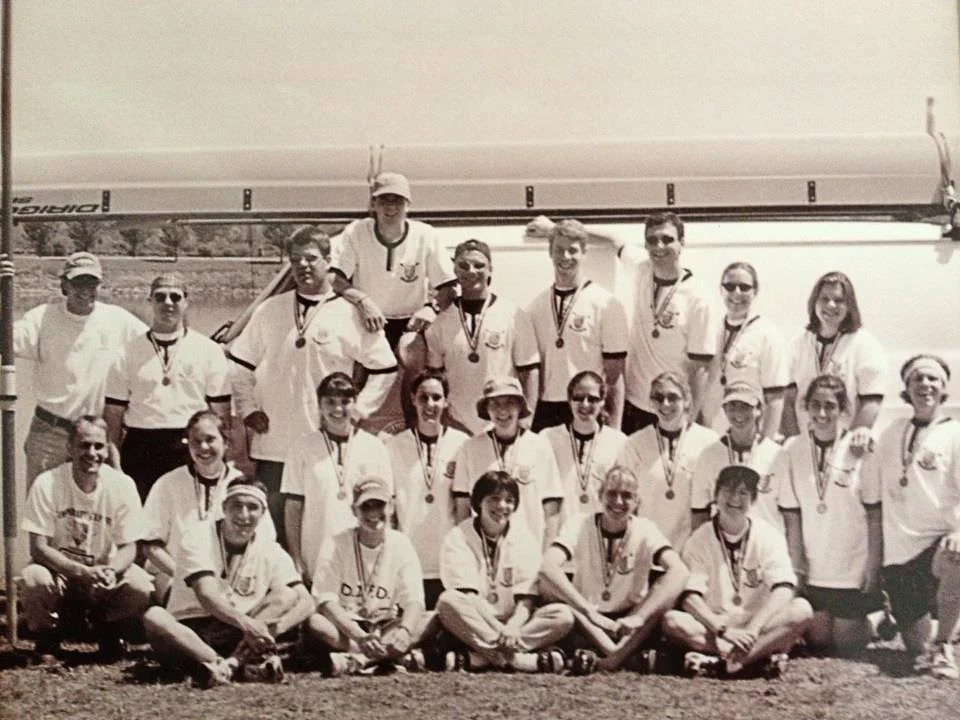
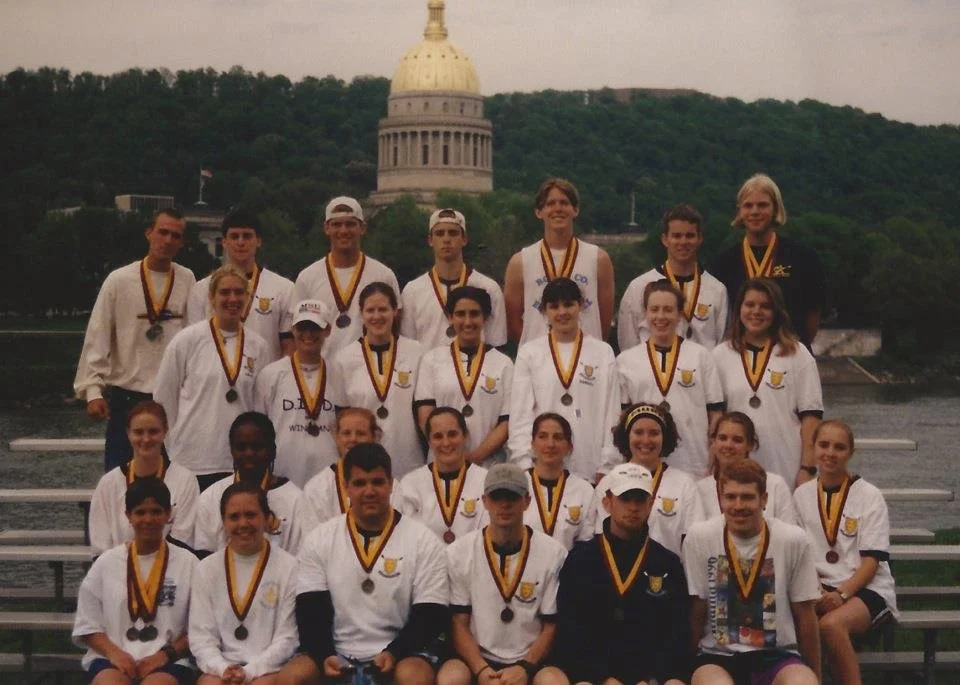
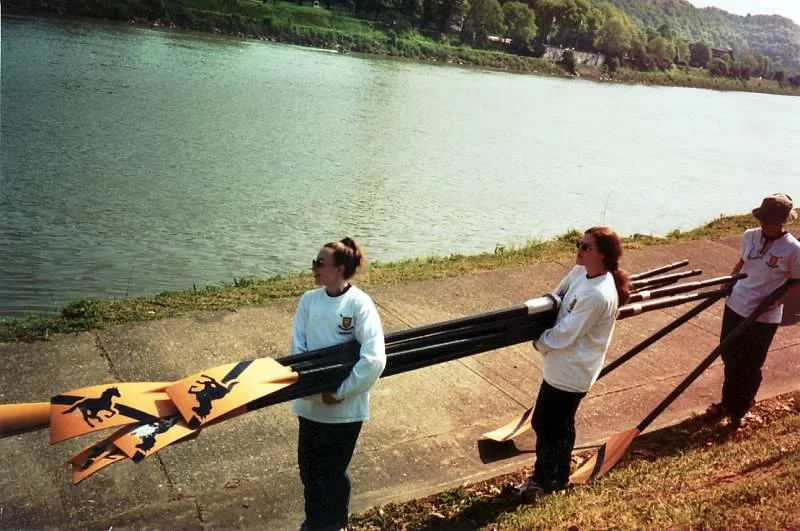
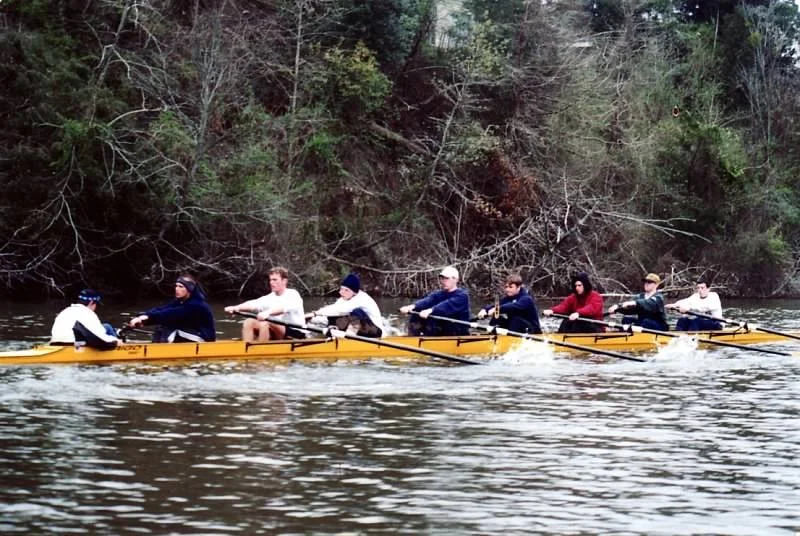
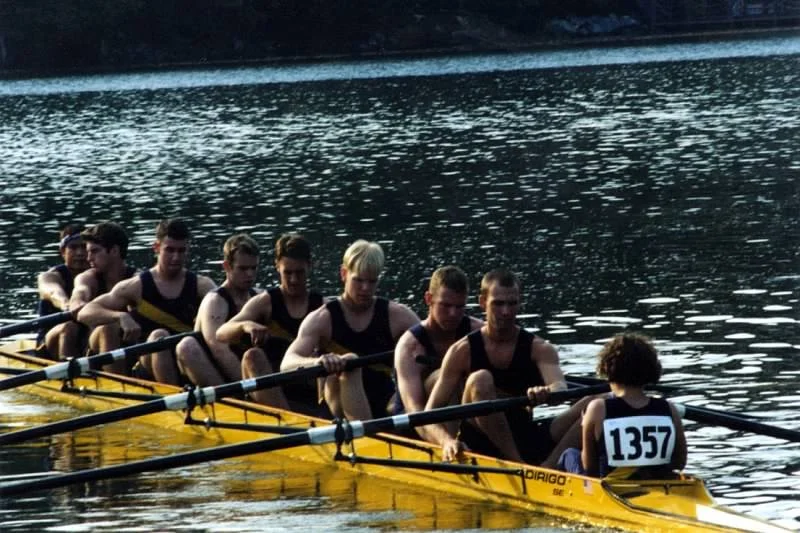
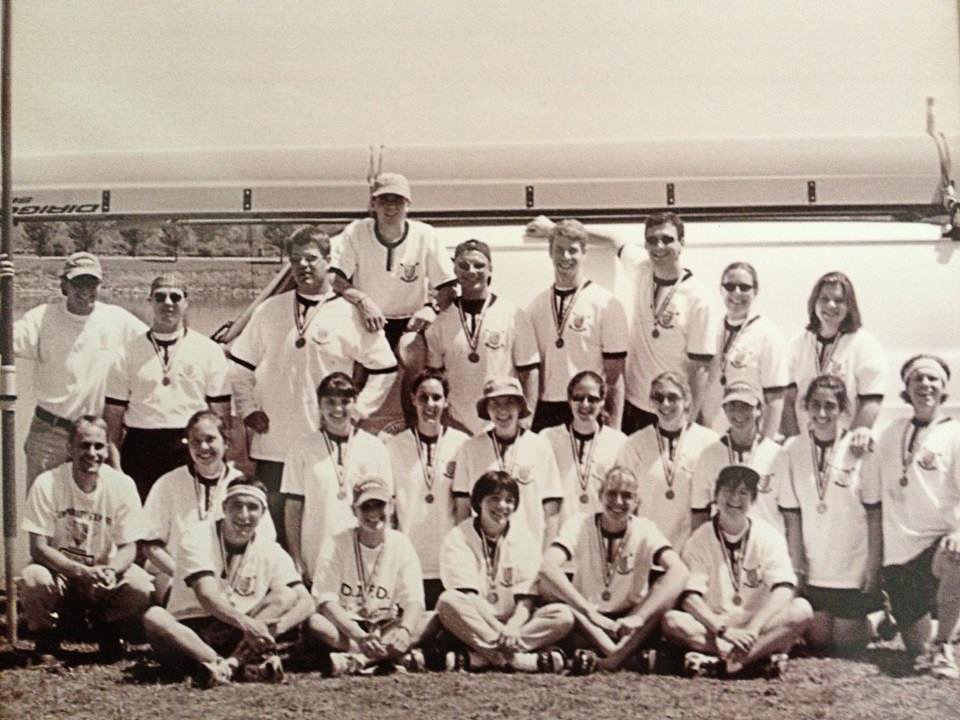
The first two years of rowing at Murray State set the stage for years to come. During that time: a stellar recruiting class was added to the first-year returnees; a brand new Dirigo 8 was added to the two questionable vessels the team used; and Cherokee Park was attained as a boathouse. Cherokee Park has historical significance due to its former use as the “black” state park during segregation. Among the many people that assisted during the program’s origins, Director of Student Life, Jim Baurer, was particularly helpful in helping the team acquire the prime lake location as well as the new equipment. With those improvements, the men’s and women’s teams competed throughout the south and Midwest, winning medals along the way.
1999-2003
The beginning of the third year marked a major change for Murray State’s rowing program. As a Title IX move, the University elevated the women’s team to NCAA status. This brought increased funding, scholarships, and an eager new head coach, Kelly McMonigle (later, Church). Former MSU rower, Jenny Hengehold, followed Kelly Chuch as the women’s coach in 2001, becoming one of the youngest NCAA coaches in America. Meanwhile, men’s rowing remained at the club level, but received some ancillary benefits of their association with their now more affluent sisters. A succession of intra-team coaching selections (Griffin, Freudenberg, Mulcahy, Holman, Weckman, Hewett-Ball) served the men’s team for years.
Through these years, the women’s teams learned to compete in a more competitive class. Both Church and Hengehold improved the team’s status with better recruiting and faster times. The men displayed flashes of dominance in the region, though they were sometimes hampered by tight funding and their own folly. Both teams added to a growing fleet during these years, most notably the men’s purchase of a heavyweight Vespoli 8 (supposedly) used by the U.S. Men’s Olympic Team in the 2000 Olympics.
2003-2008
In the fall of 2003, yankee Bill McLean was hired to take the helm of the women and men’s programs. Through great personal sacrifice, Coach McLean brought both teams together again. Though his primary duties were to the women’s program, a renewed sense of camaraderie was established between the men and women. The team also sought calmer practice waters and made a move to Kenlake State Park, which remains the team’s current base of operations. Here, a new boathouse was erected from an existing pavilion and the house was fitted with proper boat and equipment racks (and working bathrooms). Coach McLean recruited heavily for the women in building a competitive program, while the men continued success.
In the spring of 2008, funding for women’s and men’s rowing was cut, despite the outcries of students, parents and alumni. In tough budget times, the University was forced to make cuts to rowing (and other campus programs), though softball was added as a women’s sport the next year. Coaches McLean and Robert Montague moved on to other jobs, but their achievement outshine the ill-conceived and sudden cuts to a winning program. As evidence of Coach McLean’s building success, a total of eight female athletes transferred from MSU to take positions in boats at other Division 1 schools. The women’s team depleted, and neither team without funding, the rowing program at MSU was assumed dead.
2008-PRESENT
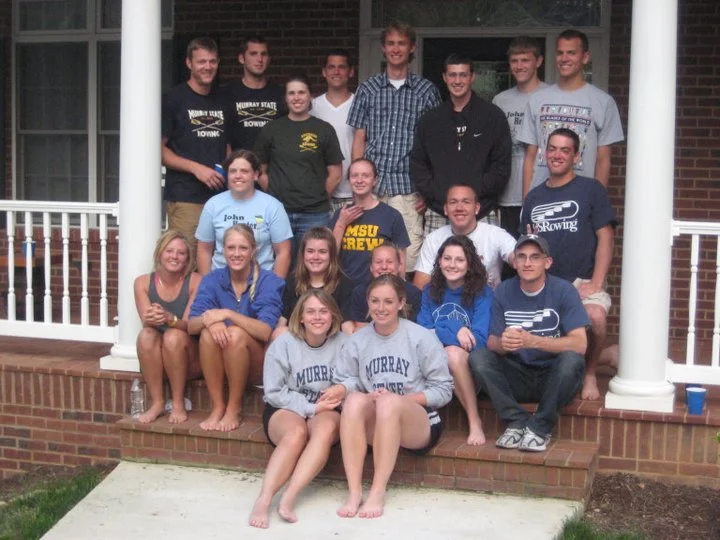
As it turns out, the “end” of the program was not a decision for someone else to make. Remaining members of the men’s and women’s teams met in the summer of 2008 to discuss the team’s fate. Those men and women decided to continue their college experience the way they began it: as student-athletes. In pledging to continue as a club team, they chose to honor the tradition established by those before them and to represent MSU. The equipment (sans truck) was officially turned over to the club and arrangements were made to keep the team together as a student organization. With no funding, no coach, no method of transporting boats, the team limped into the fall semester…
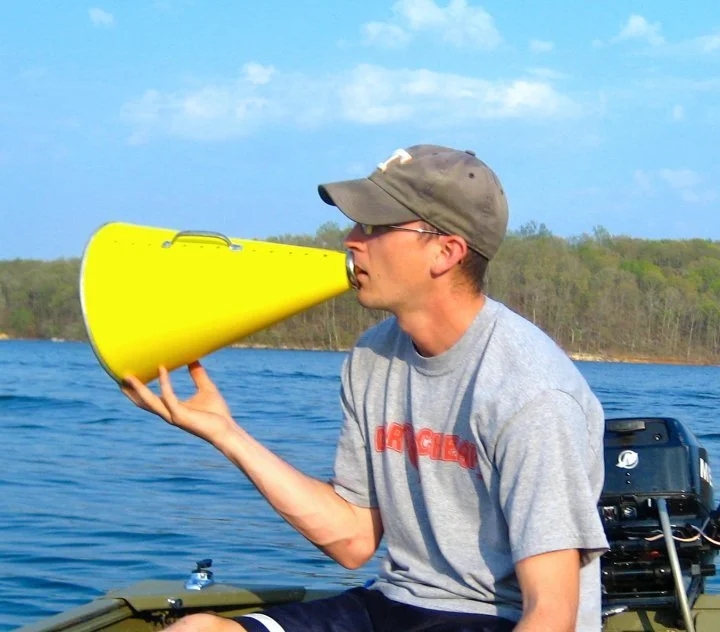
Dedication and love of sport caused former rower and women’s graduate assistant coach, Matt Weaver, to step up to take the helm of both teams. Coach Weaver’s connection to current and past rowers combined with a honed technical expertise was exactly what the team needed. And, the next fall head race and spring racing seasons turned out to be the most successful in many ways. The outpouring of support from parents, alumni, and other friends of the program helped the financial stability of the team. The team itself worked to help pay for the purchase of a used truck to pull the boat trailer. For a full year, every weekend that wasn’t spent in competition was spent earning money for the team (ice storm cleanup, rent-a-rowers, RSEC clean-up, concessions, etc.). The team also had a resurgence of participation that introduced many novice rowers. Most importantly, the team focused on the task of making boats go fast on water.
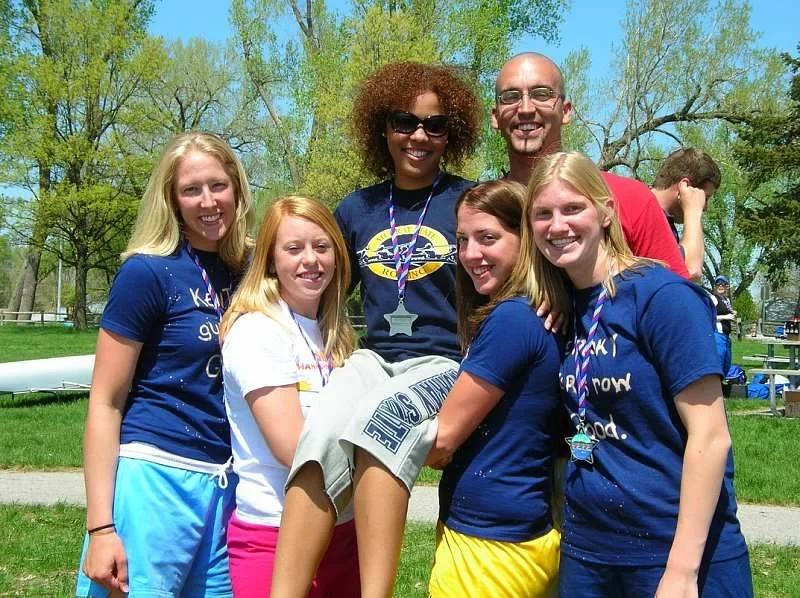
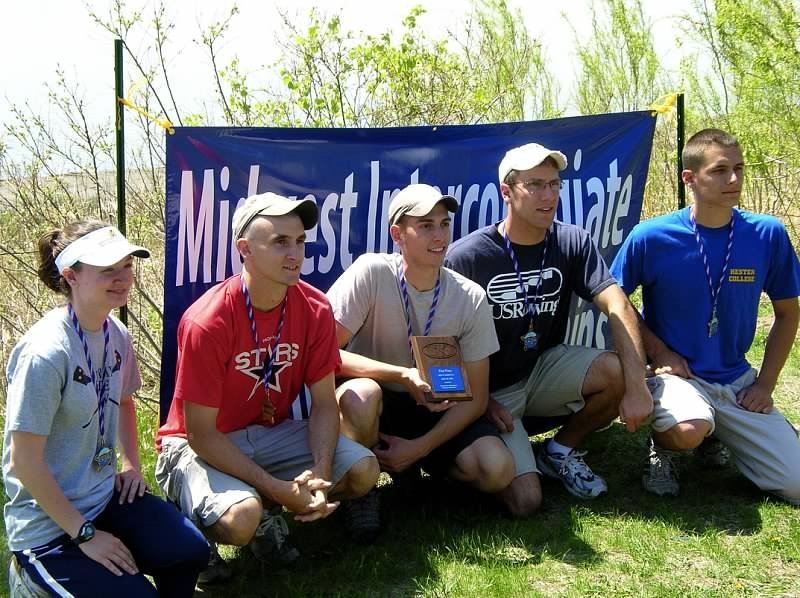
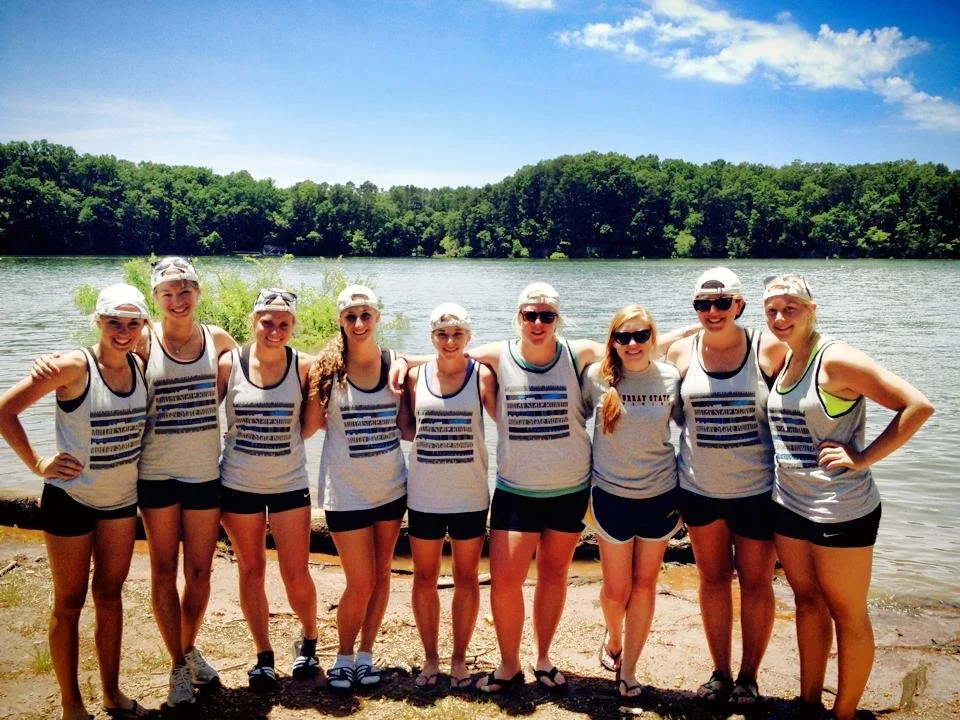
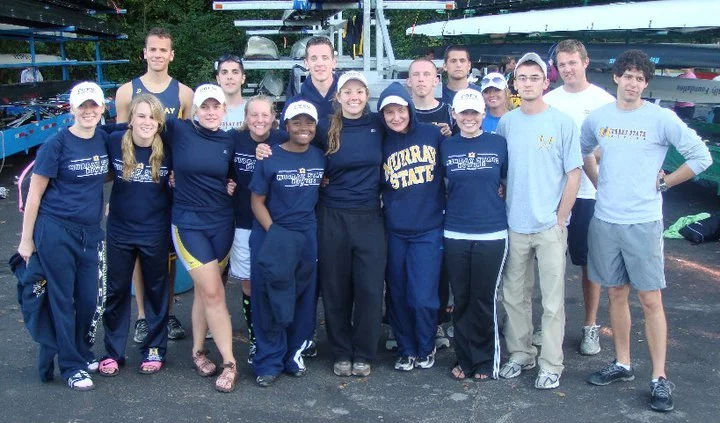
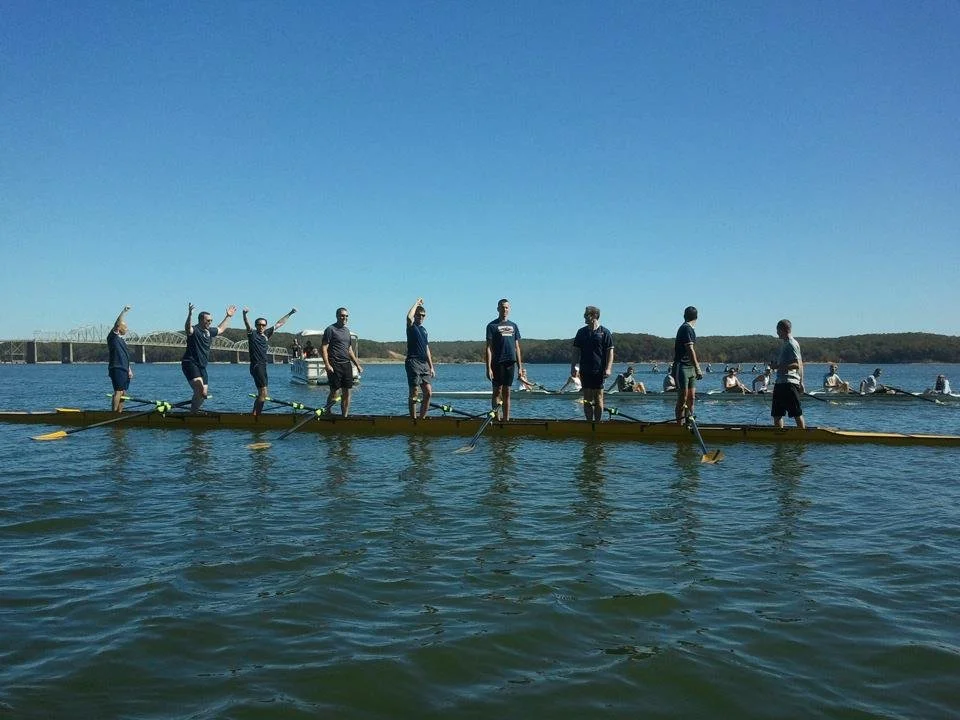
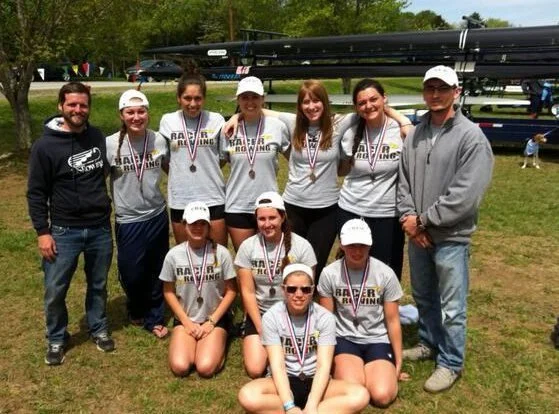
Since the loss of University funding, the team has rededicated itself to training and improving. As the women’s varsity rebuilds, the women’s novice teams have won several medals. The men’s novice has seen similar success. The men’s varsity team, led by Torey Moore, William Pregliasco, James, Donahoe, “Uncle” Steve Irvan, and coxswain Caitlin Dunnagan, have kicked ass all over the region, culminating with an easy first place victory at SIRA (the most significant win the team has ever had) and a trip to the 2010 Club National Championships.
Since 1996, Murray State Rowing has had a tradition perseverance and triumph. The team has had plenty of characters (Moode, Aaron Butler to name two), and stories of victory, tragedy and comedy abound. There are now many alumni who have contributed blood, sweat, and flesh (…hand calluses) to the great rowing lore of Murray State University. Thanks to the continued support of alumni and the commitment of the student-athletes, the present and future of MSU Rowing is certain and the legacy grows.